SensoryRuns

SensoryRuns Therapeutic Garments

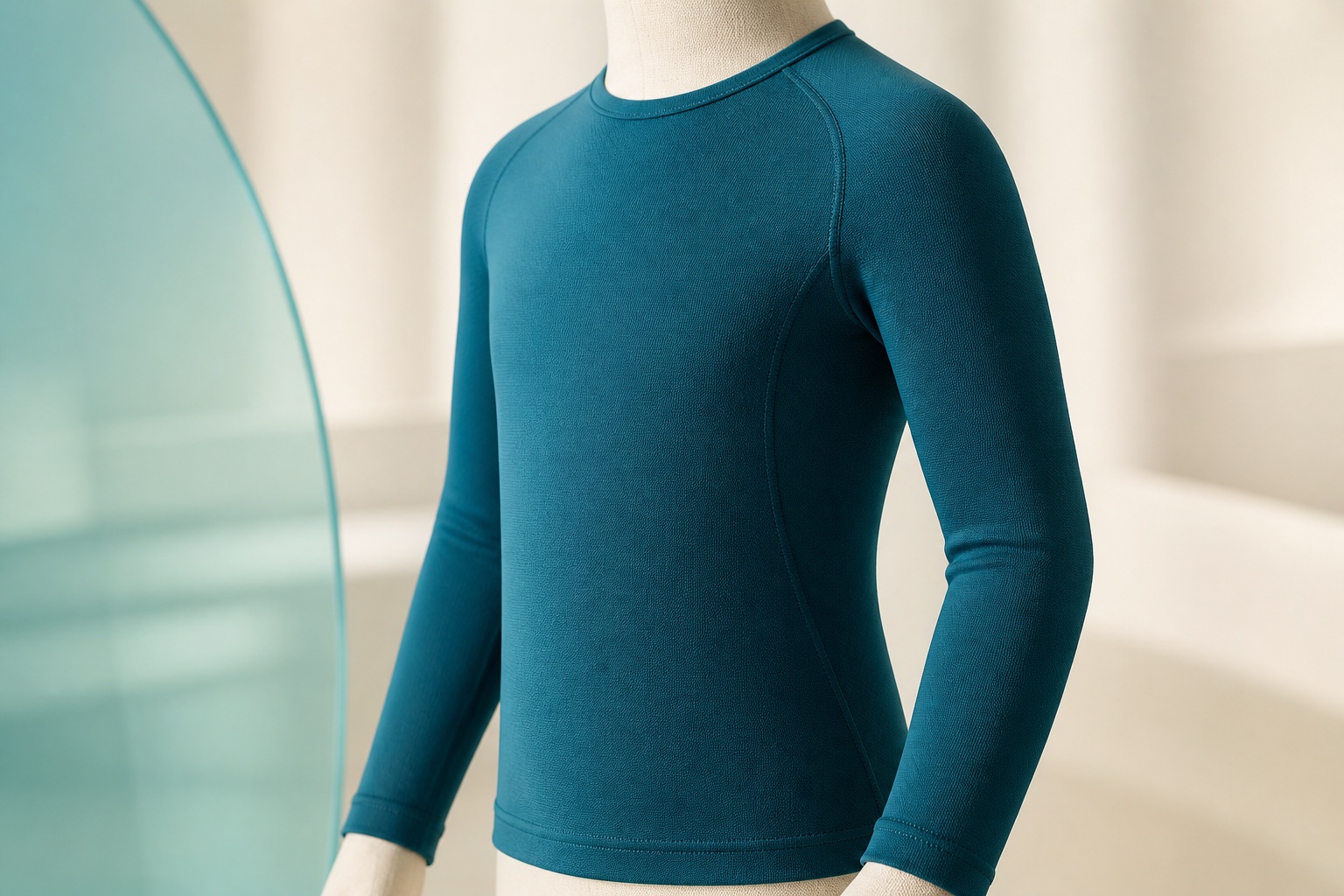
A continuous deep pressure approach without restricting movement. A design intended to wrap the child’s body evenly, fit into everyday life and be planned through specialist occupational therapist assessment.

Product detail of the SensoryRuns therapeutic garment
Designed for
movement
How does it work?

Engaging Two Important Sensory Systems of the Body

The structure is designed to wrap the body evenly and create a predictable sensation similar to a “continuous hug”. The aim is not to restrict the child, but to support a more organised experience of information coming from the body.

01

Tactile System

The system that perceives touch, pressure and contact between fabric and skin. The smooth inner surface and balanced wrap are designed with this experience in mind.

Simply put: “What do I feel on my skin?”
02

Proprioceptive System

The system that uses information from muscles and joints to help us understand where the body is and how it is moving.

Simply put: “Where is my body and how is it moving?”

Parasympathetic support

Deep pressure input may support a transition from high arousal to a calmer state.

Body awareness

It may support feedback related to limb position, gross motor coordination, balance and posture.

Sensory overload

Continuous, predictable wrapping aims to support sensory regulation in the presence of intense environmental stimuli.

Garment construction

Unseen Details, Comfort You Can Feel

Every fabric choice, join and practical detail is considered to support everyday movement and comfort for children with tactile sensitivity.

Seamless and tag-freeDesigned to reduce hard seams, thick joins and irritation.

Back zipperProvides practical use for easier dressing and removal.

BreathableA fabric approach that considers perspiration and thermal comfort.

Allergen-conscious approachFabric is selected with tactile and skin comfort in mind.

Controlled compressionTarget pressure ranges are assessed with measurement devices.

Sporty and discreetLooks like everyday clothing and can be worn under clothes in suitable combinations.

Flexible and breathable SensoryRuns fabric constructionBreathable texture Seamless contact Back zipper
How it differs from weighted vests

An Approach that Wraps the Body Instead of Adding Weight

Although both approaches may be considered in the context of sensory feedback, the ways pressure is created and distributed over the body are different.

Conventional approach

Weighted vest

  • Weight may be concentrated in specific areas.
  • It may create a more pronounced load around the shoulders.
  • It may feel bulkier and more cumbersome.
  • Comfort during continuous use may be limited.
SensoryRuns approach

Even wrapping

  • The aim is to distribute pressure evenly over the body.
  • Elastic fabric wraps the body from different areas.
  • It aims to preserve freedom of movement.
  • It offers a sporty, everyday clothing appearance.
Balanced wrapFlexible responseFitting check
Pressure approach

Precise, Measurable Pressure Control

Compression level is not simply a number. Fabric elasticity, the child’s anatomy, tension created during movement and feedback from the fitting are assessed together.

Torso6–10mmHg
Arms and legs10–13.5mmHg
  • Values are checked with pressure measurement devices during production and fitting.
  • Range of motion and overall comfort are observed.
  • The aim is to maintain the specified target ranges.
  • The family is informed about the usage protocol and follow-up.
This section explains the technical approach; it does not constitute a guarantee of medical safety or clinical outcomes.
What does the science say?

Research on Static Compression Garments

These are not clinical studies of SensoryRuns. They are examples from the literature that inform the design approach; their findings cannot be generalised to every child or product.

01Sorbonne Université6-week follow-up

Guinchat et al., 2020

A retrospective case series involving 14 individuals with severe autism and significant proprioceptive difficulties examined custom-made full-body compression garments.

  • Statistical changes were reported in the ABC total score and in irritability, hyperactivity and withdrawal/lethargy subdomains.
  • Postural sway, scapular deviation, postural alignment and motor course performance were assessed.
  • Of the 9 participants with a detected profile-view deviation, 7 (77%) showed clinical improvement; normalisation was reported in 5 of these.
View the study
02University of Kansas Medical Center14-week study

Mische Lawson et al., 2022

In a study involving children with autism, eight weeks of seamless sensory garment use was tracked using COPM and GAS measures.

  • Study-specific significant changes were reported in individual participation goals.
  • Sleep goals included calming, falling asleep and staying in bed.
  • Dressing goals included choosing clothes, dressing faster and keeping clothes on.
View the study

Why is specialist support important? Passive therapy tools should be considered alongside the child’s sensory profile, with use supported by occupational therapist oversight and family education. The SensoryRuns process includes suitability assessment, fitting and parent guidance.

Who may it be considered for?

We Look at Individual Need, Not Diagnosis

In the context of Autism Spectrum Disorder, sensory integration difficulties, Attention Deficit Hyperactivity Disorder (ADHD) and other neurodevelopmental differences, it may be considered for sensory feedback, body awareness, movement organisation or participation in everyday activities.

Having a diagnosis does not automatically mean that SensoryRuns is suitable. Equally, not having a diagnosis does not mean there is no sensory need.

Every child is different. Suitability, duration of use and the follow-up plan should be determined through individual assessment.

Information: SensoryRuns does not replace medical diagnosis or treatment. Product selection and use should be planned through specialist assessment according to the child’s individual needs.

Sizing and production

Made for Today’s Measurements, Not for Growing Into

SensoryRuns offers standard sizes 1–7, with options up to approximately 12 years of age. The most appropriate size is determined by considering the child’s anatomy, current measurements and sensory profile together through specialist assessment.

Ask About a Suitability Assessment
Standard size range
1234567
Starting sizeUp to approximately 12 years

Custom production · approximately 7 business days targetedPhysical measurements, sensory profile, intended pressure level and comfort in use are considered. Timing may vary depending on operational conditions.

Therapeutic Garment Suitability FormChoosing SensoryRuns is more than selecting a standard size; the form is reviewed by specialist occupational therapists.

Accurate measurements, personalized approach

Therapeutic Garment Measurement Guide

Accurate and consistent measurements are important for preparing a SensoryRuns therapeutic garment according to the individual's measurements. This training video demonstrates the key points to consider during the measurement process.

From assessment to follow-up

Custom Production and Fitting Process

Product selection is not merely choosing a size; it brings sensory need, anatomy, target pressure and comfort in use together.

01

Sensory Assessment

The Therapeutic Garment Suitability Form is analysed by specialist occupational therapists.

02

Precise Measurements

Precise measurements are taken from the torso, arms, legs and other relevant anatomical areas.

03

Custom Production

The garment is targeted for completion in approximately 7 business days using soft, seamless and breathable fabrics.

04

Professional Fitting and Follow-up

At our Kartal centre, fit, pressure values and comfort are checked with devices, and the family is given the usage protocol.

Examples in use

SensoryRuns in Motion

See how the garment moves with the body during reaching, balance and functional movements.

01

Functional movement

Reaching · coordination

02

Motor activities

Reaching · trunk control

03

Stairs and balance

Stepping · everyday life

SensoryRuns in real life

Beyond the Therapy Room, Into Everyday Life

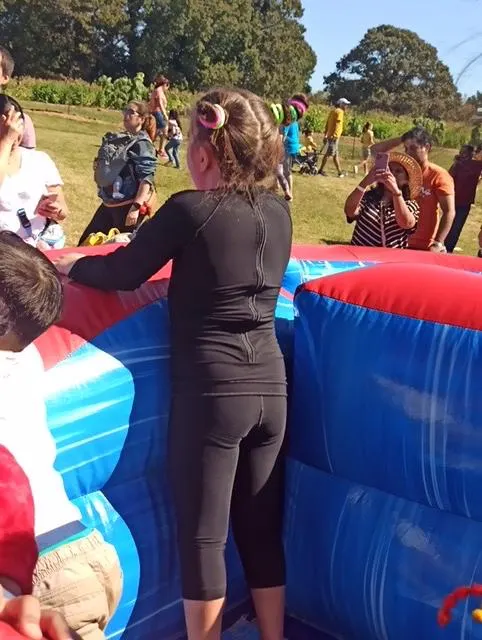
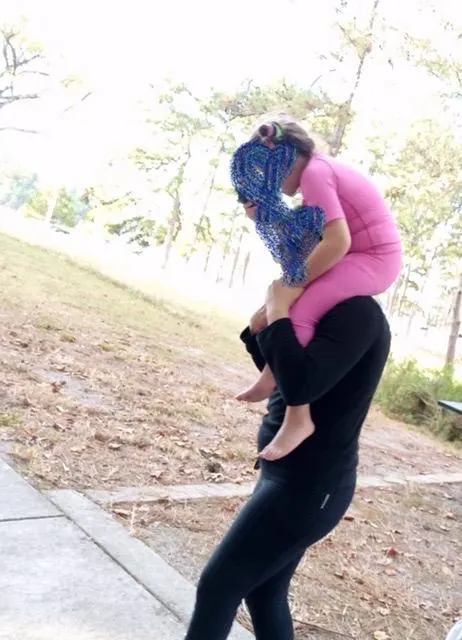
The sporty, movement-conscious structure of SensoryRuns is designed with therapy settings as well as everyday movement routines and different daily environments in mind. Duration and conditions of use should be planned through specialist assessment.

What people ask

Frequently Asked Questions

If you cannot find the answer you need, you can write directly to our specialist team.

01What is SensoryRuns?

SensoryRuns is a therapeutic garment designed to wrap the body evenly and support tactile and proprioceptive feedback through a continuous deep pressure approach.

02How does SensoryRuns work?

Its elastic structure creates a distributed, predictable wrapping sensation around the body. This approach is considered in the context of sensory regulation and body awareness.

03What is deep pressure?

Deep pressure is tactile input from the skin, muscles and joints that may provide the body with clearer, continuous feedback. Its effects can vary from person to person.

04How is SensoryRuns different from a weighted vest?

Instead of adding weight, it creates pressure as the elastic fabric wraps around the body. The aim is a more even pressure distribution, a less bulky structure and greater freedom of movement.

05Which sizes are available?

SensoryRuns therapeutic garments are available in standard sizes 1–7.

06What age range may it be considered for?

The size range offers options up to approximately 12 years of age. Age alone is not a sufficient criterion; the child’s anatomy, current measurements and sensory needs are assessed together.

07Can it be custom-made?

Yes. Custom tailoring is available based on physical measurements, sensory profile, the intended pressure approach and comfort in use.

08How long does production take?

The custom-production process is targeted for completion in approximately 7 business days. Timing may vary depending on operational conditions.

09How are measurements taken?

Precise measurements are taken from the torso, arms, legs and other relevant anatomical areas. The team guides the family through the measurement process.

10Is a fitting required?

An in-person professional fitting is conducted at our Kartal centre to assess fit, pressure values, movement and comfort.

11How are pressure values checked?

Pressure values are checked with measurement devices during production and fitting. The aim is to maintain target ranges of 6–10 mmHg on the torso and 10–13.5 mmHg on the arms and legs.

12Is the product suitable for everyday use?

Its breathable, flexible and sporty structure considers everyday movement. Duration and conditions of use should be planned for each child through specialist assessment.

13Can it be worn under clothing?

With suitable clothing combinations and size selection, it may be considered for use under everyday clothes.

14Is specialist assessment required?

Yes. The Therapeutic Garment Suitability Form is reviewed by specialist occupational therapists; fitting and family guidance are parts of the process.

15Does SensoryRuns replace medical treatment?

No. SensoryRuns does not replace medical diagnosis or treatment and does not guarantee clinical outcomes on its own.

Let’s assess it together

Let’s Find the Right SensoryRuns Option for Your Child

Contact our specialist team for information about product selection, sizing and the usage process.

Get information